Acrylic Roof Coatings

What Is an Acrylic Roof Coating?

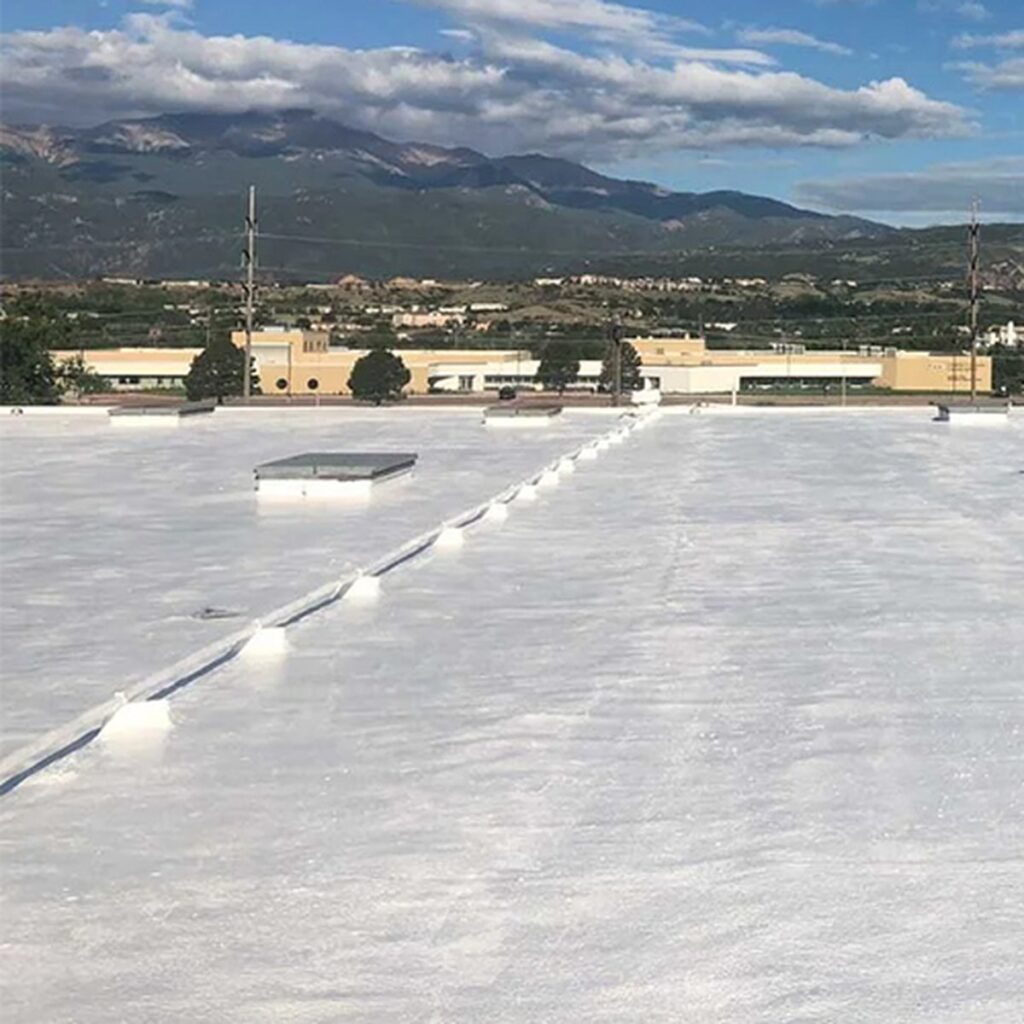
An acrylic roof coating is an elastomeric coating that restores the weatherproofing of an existing roof and gives it a reflective white surface. It fits metal roofs, sloped roofs and low-slope roofs that drain well, when an owner wants an affordable restoration. It is the wrong choice for a roof that holds standing water after rain; silicone handles those conditions.

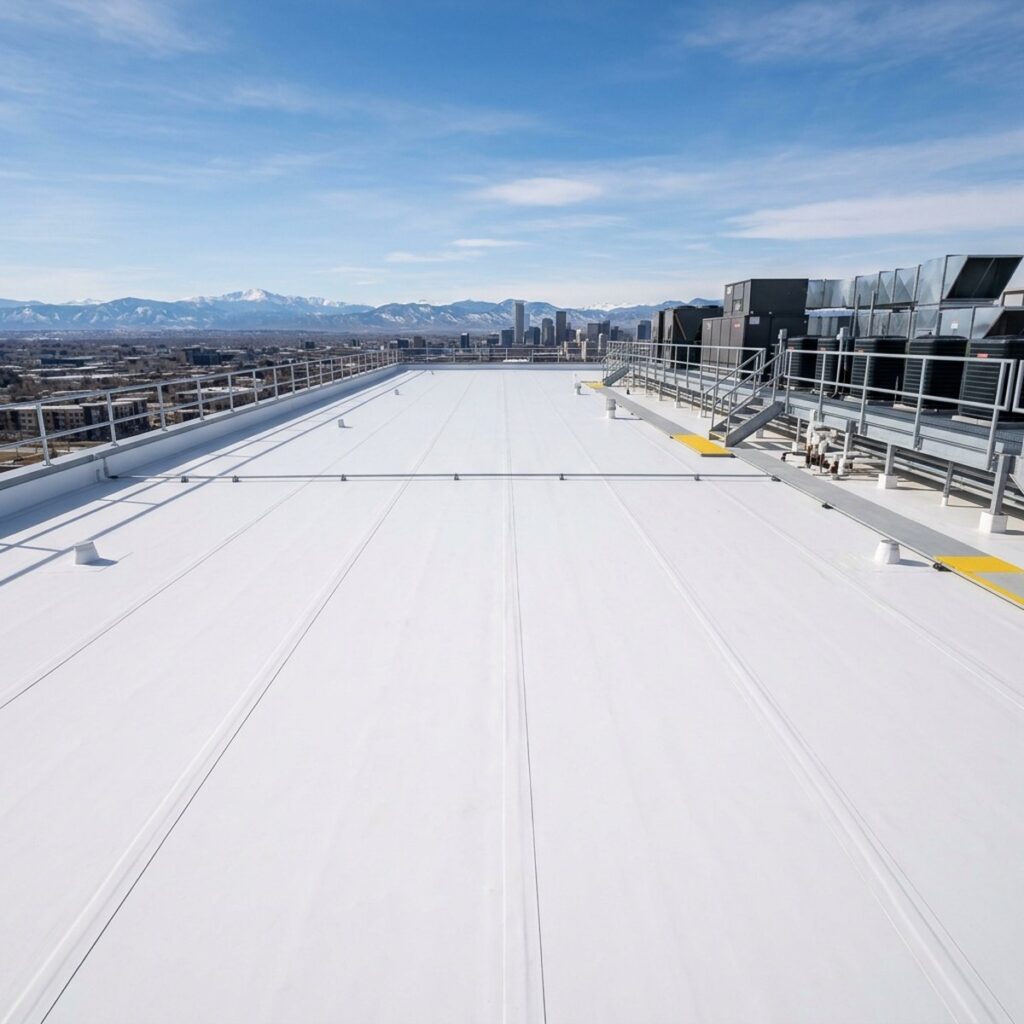
Strong Contractors applies acrylic systems in multiple coats to the specified mil thickness, reinforcing seams and fastener heads before the finish coat goes down. The reflective surface can cut rooftop temperatures and cooling costs.
  • Retail & Strip Mall Roofs
  • Office Buildings & Corporate Campuses
  • Warehouse & Distribution Facilities
Compare Options

Acrylic Coating vs. Silicone Coating vs. New Metal Panels

Acrylic Roof CoatingsSilicone Roof CoatingsMetal Roofing & Retrofits
What it doesRestores the existing surfaceRestores the existing surfaceInstalls new metal panels
Standing waterNeeds positive drainageResists pondingSloped panels shed water
Existing roofStays in placeStays in placeReplaced
Future upkeepRecoat with acrylicRecoat with siliconeFastener, seam and flashing checks
Strongest fitSound metal or fast-draining roofsFlat roofs that pondPanels too far gone to coat
Fit Check

Is an acrylic coating right for your roof?

Usually a Good Fit

  • The roof drains fully after rain, with no standing water
  • Metal panels are weathered but still structurally sound
  • The roof is sloped, including spray foam on steeper sections
  • Heat gain is a concern and a bright, reflective finish would help
  • The budget calls for restoration instead of replacement

Usually Not a Fit

  • Water stands in low areas after rain
  • Insulation below the roof is wet
  • The building needs added insulation value
  • Metal panels are rusted through or loose across large areas
  • The work can only be scheduled in cold or damp weather
Pricing

What Drives the Cost

Owners often pick acrylic to keep material cost down, but prep and repairs set most of the price. These factors move an acrylic bid.

  • Drainage Corrections

    Low spots that hold water must be fixed or handled with a different coating, and that work is priced before the coating is.

  • Metal Repairs and Fasteners

    On an aging metal roof, replacing fasteners, sealing laps and swapping damaged panels can take more labor than the coating itself.

  • Number of Coats

    The total thickness the system and warranty require sets how many coats go down and how much material the roof takes.

  • Slope, Height and Access

    Steep or tall roofs need fall protection, lifts and more time to move crews and material into place.

  • Weather Window

    Acrylic needs dry, mild days to cure. A project squeezed into a short season may need a larger crew to finish on time.

System Specs

Typical Acrylic Coating Specs

SpecTypical Value
Coating typeTypical: water-based acrylic elastomer
Drainage requiredPositive drainage; no ponding
Common substratesMetal, single-ply, modified bitumen, concrete, spray foam on slopes
FinishReflective white
ResistanceUV exposure and mildew
ApplicationTypical: two or more coats by spray, roller or brush
Curing conditionsTypical: dry weather, above-freezing temperatures
Inspection intervalOnce or twice a year
Our Process

How We Apply an Acrylic System

Acrylic depends on good drainage and dry curing weather, so the plan starts with both.

  1. Map Low Spots and Drains

    We look for clogged drains, sagging areas and any spot that holds water after rain. Those areas are corrected first, or the roof is quoted with a coating that tolerates ponding.
  2. Repair the Substrate

    Loose or missing fasteners, open laps, failed sealant and damaged flashing are fixed before any coating. Badly corroded panels are replaced, since a coating cannot give back strength the metal has lost.
  3. Clean and Treat

    The roof is power washed to remove dirt, oils and chalking. On metal, surface rust is cleaned and typically treated with a primer suited to the substrate.
  4. Reinforce the Weak Points

    Laps, fasteners, curbs and penetrations get reinforcing fabric or detail coats, so normal movement in the roof does not crack the finished coating.
  5. Apply Base and Top Coats

    Acrylic typically goes on in two or more coats, each allowed to dry, until the roof reaches the thickness the system calls for. Work is timed for dry days warm enough for a full cure.
  6. Walk the Roof and Set the Upkeep Plan

    The finished roof is walked and touched up. We recommend inspections once or twice a year, and when the coating wears thin, the roof is cleaned and recoated with acrylic.
Outside Colorado?

We Bring Our Team to the Job

Strong Contractors takes on spray foam, coating, and ballast removal projects outside Colorado, bringing our equipment and project management to the job. Before we bid an out-of-state project, we confirm that state’s licensing, registration, and permit requirements so the work moves forward cleanly.

Discuss Your Project
FAQ

Acrylic Roof Coating Questions

Silicone or acrylic roof coating: which should I choose?

Choose acrylic if the roof drains fully and silicone if water stands after rain. Acrylic suits metal and sloped roofs and is the more affordable material. Silicone resists standing water, which makes it the go-to for flat roofs that pond. Choose with the long term in mind, because future recoats should use the same coating type.

Can you put an acrylic coating on a metal roof?

Yes. Metal is one of the most common surfaces for acrylic. The result depends on the prep: loose fasteners, open laps and surface rust are handled first, and seams and fastener heads are reinforced. Panels that have rusted through need replacement, which makes it a metal roofing project.

Do reflective roof coatings lower cooling costs?

They can. A white acrylic surface reflects sunlight a dark roof would absorb, which lowers the roof’s surface temperature and the heat that reaches the space below. The savings depend on insulation, climate and how the building is cooled, so results vary from one building to the next.

Can acrylic roof coatings be applied in cold weather?

Not well. Most acrylics are water-based and cure as the water evaporates, so they need dry weather and temperatures above freezing during application and curing. Rain or frost on a fresh coat can wash it off or weaken it. In cold climates, acrylic work is scheduled for the warmer months.

Why is acrylic used on sloped roofs?

On a slope, water runs off, so acrylic’s weakness with standing water never comes into play. That is why acrylic is a common topcoat for spray foam on steeper sections, while flatter areas get silicone or urethane. The same logic makes it a good match for sloped metal roofs.

How often should an acrylic-coated roof be inspected?

Once or twice a year for most commercial roofs, and again after severe storms. Inspections catch punctures, worn areas and clogged drains while they are small. When the acrylic wears thin, the roof is cleaned and recoated with acrylic, which keeps the existing roof in service without a tear-off.

Related Services

Explore More Fluid Applied Roof Systems Solutions

Spray Foam (SPF) Roofing

Read More

Silicone Roof Coatings

Read More